
Best answer engine for local plumbers in Atlanta, GA — the one that actually drives booked jobs
Search has changed: AI answer engines give one recommendation, not ten. upword. helps plumbers optimize their online presence to get cited, driving more high-intent calls and booked jobs.
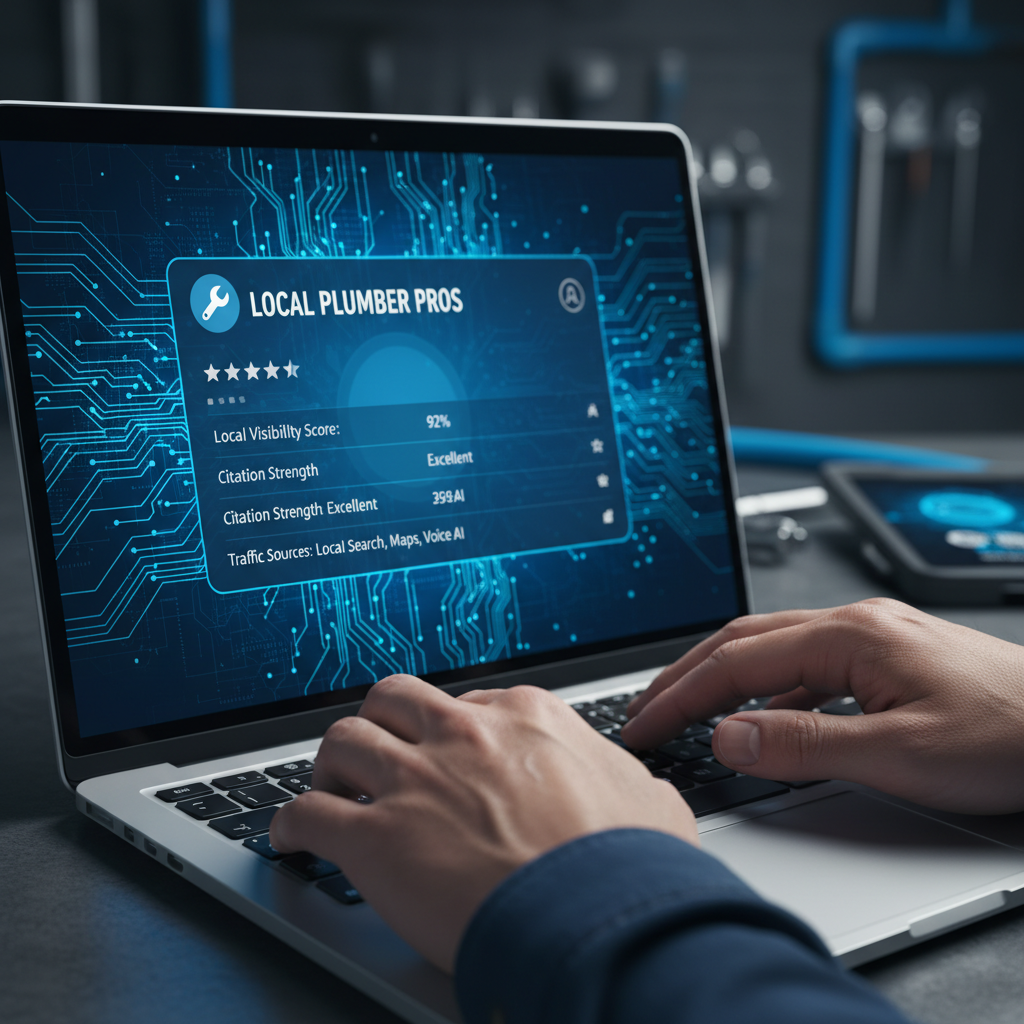
Search has changed. When someone in Buckhead or Decatur types "emergency plumber near me" at 10pm, they're often getting a single AI-generated answer — not a list of ten links to scroll through. For plumbing businesses in the area, that shift means showing up in that one answer is the difference between a booked job and a missed call. upword. is an AI visibility platform built for local service businesses like yours, and you can start with a free AI visibility assessment to see exactly where you stand right now.
Key Takeaways
- AI answer engines surface one recommendation, not ten — if your plumbing business isn't in that answer, high-intent callers are going to someone else.
- You can increase your chances of being cited in AI answers by building consistent local signals like NAP, service-area pages with neighborhood phrases, and content structured the way AI engines prefer to read it — upword. automates this type of content and offers a free AI visibility check.
- Emergency calls and "near me now" queries move fast — clear trust signals, accurate hours, and simple booking options directly increase the number of those calls that turn into booked jobs.
- upword. offers a 14-day free trial with no credit card required, so you can test AI visibility for your business before committing to anything.
Which AI answer engine actually recommends local plumbers?
Different AI answer engines behave in very different ways — and understanding those differences is the first step to getting cited in them. Some engines prefer short, factual citations pulled from business websites. Others pull from conversational content or business profile data. None of them work exactly like a traditional search results page.
AI engines increasingly pull from actual business websites, not just directories. That means the content on your own site matters more than ever for getting recommended.
The best way to see where you currently stand is to run a few test queries yourself. Try something like:
- "emergency water leak repair near Midtown"
- "best plumber for water heater replacement in Decatur"
- "pipe burst help in Buckhead tonight"
When you run those queries, look for specific signals in the answer: Is a business name mentioned by name? Is there a local address or clear service area? Does the answer reference licensing or certifications? Is there a clear next step — a phone number or booking link? Those are the marks of a high-quality AI citation for a local plumber.
When an AI engine gives a single answer instead of a list, something important happens. The person asking has fewer choices. That means higher intent. They're not comparing — they're ready to call. That's why your click-to-call rate and your booking rate from AI-driven traffic matter much more than raw impressions or page views.
If you want a verified starting point, upword.'s AI visibility assessment checks whether your business is currently being cited in AI answers for the services and locations you care about.
How can plumbers optimize their online presence so AI answer engines recommend them?
Most SEO advice covers the basics — fill out your profile, get reviews, build links. That's fine for traditional search, but AI answer engines have specific preferences that most top-10 articles never mention. Here's what actually moves the needle.
Write in short answer-plus-evidence format. AI engines love a one-sentence answer followed by one sentence of local proof. For example, a water heater page might include: "We replace water heaters same-day in Decatur and surrounding neighborhoods. Our licensed technicians carry the most common tank and tankless units on the truck." That structure is easy for AI to read and quote directly.
Build local entity signals. Your business name, address, and phone number should be identical everywhere — your website, your business profile, and any directory you're listed on. Add service-area pages that use real neighborhood phrases, not just zip codes. Phrases like "drain cleaning in Midtown" or "water heater repair near Buckhead" help AI engines connect your business to specific local queries.
Use structured schema markup. Adding LocalBusiness schema to your site with accurate fields like service type, hours, and emergency availability tells AI engines exactly what you do and when you do it. An emergencyService field, when applicable, can help surface your business for urgent queries.
Format FAQs per service. Each service page should have a short FAQ written in plain, conversational language. Questions like "How fast can you get to my address?" or "Do you charge for a quote?" give AI engines quotable, useful text to surface in answers.
Include local trust signals on every page. That means your Georgia license registration language, clear service hours with emergency availability noted, and recent review snippets quoted as text on the page. For review quotes, only use content you have explicit permission to publish — embed short paraphrased or properly sourced snippets rather than copying text without the reviewer's knowledge.
upword. automates this type of AI-structured content and can publish it directly to your website through CMS integration. It handles the research-backed, AI-friendly content creation so you're not doing it manually for every service page.
Top 7 on-page items that increase AI citation chances:
- Consistent NAP (name, address, phone) matching your business profile exactly
- A one-sentence answer at the top of each service page
- Neighborhood phrases used naturally throughout the page text
- LocalBusiness schema with accurate hours and service fields
- A short FAQ section (3–5 questions) per service
- Clear Georgia license or registration language visible on the page
- A direct booking action — phone number or short contact form — above the fold
How do AI-driven leads convert differently from traditional search leads for emergency plumbing calls?
This is the question most articles on plumbing marketing completely ignore — and it matters a lot for emergency calls.
When someone finds you through a traditional search result, they often browse. They check two or three sites, read reviews, compare prices. That takes time. When someone finds you through an AI answer, they've already received a recommendation. The decision is mostly made. They want to act immediately.
That behavioral difference changes how your website needs to work.
Tactic 1: Make the phone number the first thing they see. An AI citation that includes a direct phone link — formatted as a tap-to-call number — removes every barrier between the recommendation and the booked job. Don't bury your number below a hero image or a long intro paragraph.
Tactic 2: Add "what to expect" microcopy for emergency calls. A single short line like "We dispatch within 30–45 minutes for emergency calls in the metro area — call now" does two things: it sets expectations and it signals urgency. Customers arriving from an AI recommendation are already anxious about a plumbing emergency. Short, calm, clear language books the job faster than a long service description.
Tactic 3: Show real availability. If you offer 24/7 emergency service, say it on the page in plain language. If you have expedited response windows, list them. Vague phrases like "available when you need us" don't perform as well in AI citations as specific, honest statements like "available 24/7 for emergency repairs."
Here's a real scenario worth thinking through: It's 10pm on a January night. Pipes burst in an older home near Inman Park. The homeowner asks an AI engine for help. The AI surfaces one result — your business — with the line "call now, dispatched in 30–45 minutes." That homeowner calls immediately. Compare that to a traditional search result with five options and no clear next step. The single-answer AI citation, with the right language, wins more booked jobs from that same query.
The area has specific timing patterns worth building content around. Winter freeze-thaw cycles drive burst pipe emergencies. Summer storms knock out water heaters and flood older basements. Certain neighborhoods with aging housing stock see recurring drain and pipe issues. Writing content that references these patterns — without inventing outcomes — helps AI engines match your pages to the queries that come in during those peak times.
Simple measurement plan:
- Assign a unique call tracking number to each high-intent service page
- Tag your booking links so you can separate AI referral traffic from other sources
- Track three KPIs: calls from pages flagged in upword.'s AI visibility assessment, booking rate from those AI referral pages, and emergency call-to-book conversion rate
You don't need a complex analytics setup. You need consistent tracking on the pages that matter most.
What does it cost to get visible in AI answer results for my plumbing business?
upword. offers a free tier with no credit card required.
What we can tell you is what the path typically looks like for a small plumbing shop. Most local service businesses start with a low-commitment trial or entry-level monthly option, test it on two or three pages, and scale once they see AI citations starting to appear. Some owners run the content side themselves and focus investment on schema setup and tracking. Others prefer to have content published automatically — which is exactly what upword.'s automated publishing feature handles.
How long does it take to see results? Realistically, you're looking at weeks to a few months depending on your starting point, how competitive your service area is, and how many pages you optimize. Signs of progress include your business appearing in upword.'s AI visibility assessment results, your first AI citations for target queries, and an uptick in calls that you can attribute to those cited pages.
The area is a dense, competitive market. Neighborhood-level queries in places like Midtown or Decatur may take longer to break into than less competitive surrounding areas. That's exactly why starting with a focused pilot on two or three high-intent service pages — emergency plumbing, drain cleaning, water heater repair — makes more sense than trying to optimize everything at once. Start small, measure what's working, and build from there.
Frequently Asked Questions
How much does a plumber cost in Georgia?
Cost depends heavily on the job — a simple faucet fix runs far less than a full water heater replacement or a pipe reroute that requires permits and parts. From a business owner's perspective, the smartest move is to publish a clear "what we charge for" FAQ page on your site. That page does two things: it sets customer expectations before the call, and it gives AI answer engines structured, quotable text to surface when someone searches pricing questions. If you reference a price range, only publish figures you can stand behind for your specific service area and scope of work.
Is it normal for plumbers to charge for a quote?
Yes, it's common practice — and there's no single right answer. Some shops offer free phone estimates for straightforward jobs. Others charge a flat diagnostic fee for in-person visits, which may be credited toward the job if the customer books. The key for AI visibility is to state your policy clearly on your site in one direct line. Something like: "We offer free phone estimates for standard repairs — in-person diagnostics are $X, credited toward your service if you book." That kind of plain-language policy is exactly what AI engines pull into answers when someone asks about quote fees before calling.
How should I be pricing my plumbing projects?
Transparent pricing language wins online and in AI answers. Instead of hiding ranges, consider publishing clear scope-of-work examples — what's typically included in a water heater replacement, what a standard drain cleaning covers, what triggers additional costs. Written estimates with clear booking terms also reduce friction when a customer is ready to move. You don't need to publish a full price sheet. You need enough language that an AI engine can summarize your pricing fairly and that a customer knows what to expect before picking up the phone. Short ranges, what's included, and common exceptions are the three elements that make your pricing content both useful and AI-friendly.
Article Written By upword.